Refinancing a mortgage means replacing your current home loan with a new one, usually to secure a lower interest rate, change the loan term, or adjust the loan structure. While refinancing can reduce monthly payments or lower total interest costs, it is not automatically the right move for every homeowner.
The key question is not simply whether rates are lower. It is whether refinancing makes financial sense based on your personal situation and long-term plans.
Why Homeowners Consider Refinancing
Most homeowners refinance for one of three reasons: to lower their interest rate, reduce their monthly payment, or shorten the length of their loan.
A lower interest rate can reduce both monthly payments and total interest paid over time. Some homeowners refinance from a 30-year loan to a 15-year loan to pay off their mortgage faster. Others extend the term to lower their monthly obligation and improve cash flow.
Refinancing can also allow a switch from an adjustable-rate mortgage to a fixed-rate loan, creating more predictable payments.
The Cost of Refinancing
Refinancing is not free. Most loans involve closing costs that may range from approximately 2 to 5 percent of the loan amount. These costs can include lender fees, appraisal fees, title services, and other administrative expenses.
For example, refinancing a $300,000 mortgage could involve several thousand dollars in upfront costs. Even if the interest rate is lower, those costs must be recovered before true savings begin.
Understanding the Break-Even Point
Before refinancing, it is important to calculate the break-even point. This tells you how long it will take to recover the closing costs through monthly savings.
If refinancing costs $6,000 and reduces your payment by $200 per month, it would take 30 months to recover those costs. If you plan to sell the home before that period, refinancing may not be beneficial.
Running these numbers helps ensure the decision is financially grounded rather than emotionally driven by headlines about falling rates.
When Refinancing May Make Sense
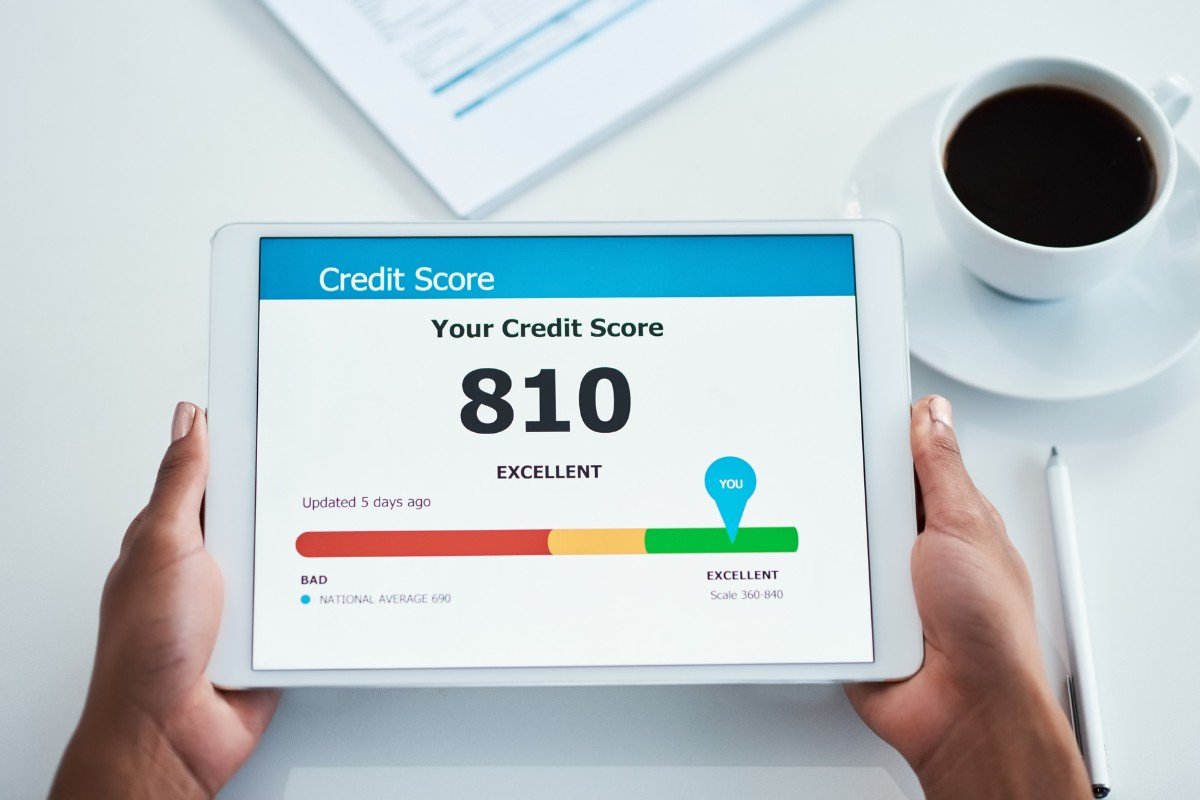
Refinancing may be worthwhile if interest rates have dropped meaningfully and you plan to remain in the home long enough to recover the costs. It may also make sense if your credit score has improved, allowing you to qualify for better loan terms.
Homeowners seeking more predictable payments or aiming to eliminate mortgage debt faster may also find refinancing attractive.
When It May Not Be the Right Move
Refinancing may not be ideal if you expect to move soon or if closing costs erase the potential savings. Extending your loan term significantly can also increase total interest paid over time, even if the monthly payment decreases.
Additionally, if you are already close to paying off your mortgage, restarting a new long-term loan may not align with your financial goals.
The Takeaway
Refinancing your mortgage can be a powerful financial tool when used thoughtfully. However, it should be based on clear calculations rather than short-term rate trends alone.
Before moving forward, compare total loan costs, calculate your break-even point, and consider how long you plan to stay in your home. When the numbers align with your long-term plans, refinancing can provide meaningful financial benefits. When they do not, keeping your current mortgage may be the smarter choice.
____________
If you’re considering other ways to leverage your home’s value, you may also want to understand the differences between a home equity loan and a HELOC.