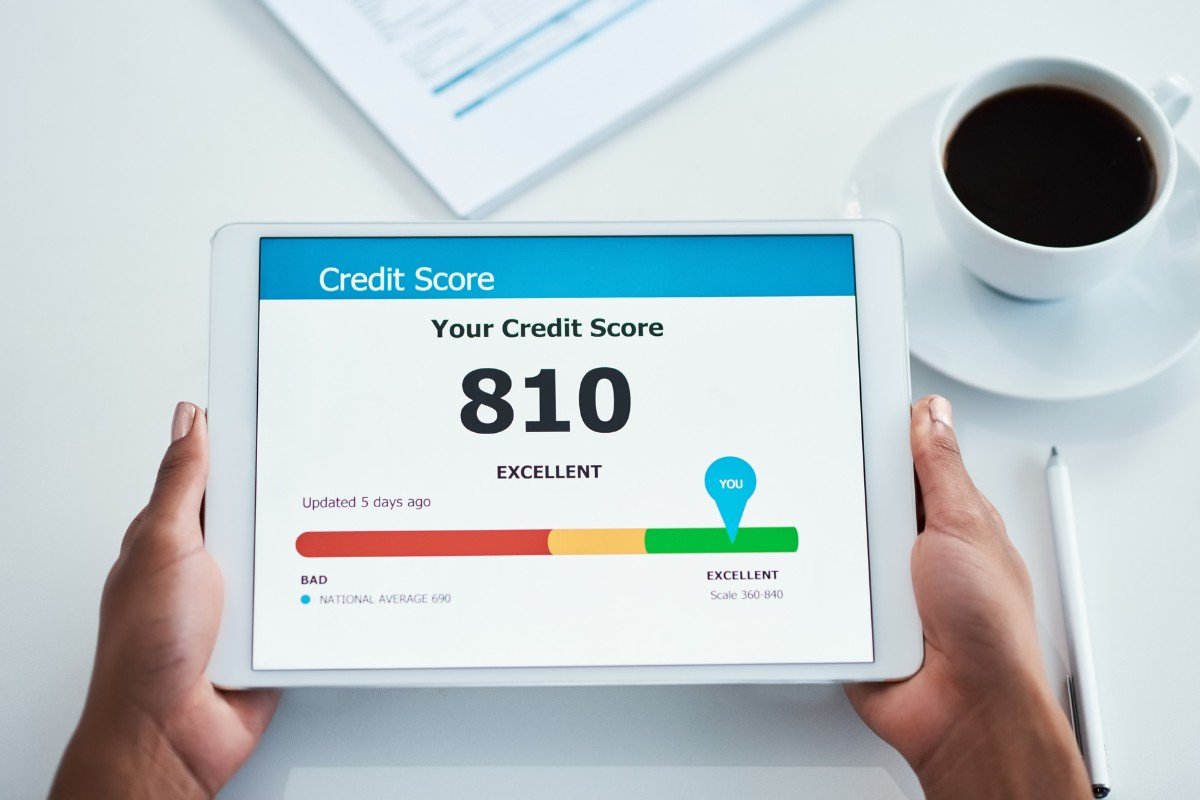
Improving your credit score does not happen overnight, but it can happen faster than most people think. In many cases, you may begin to see improvement within 30 to 60 days if you take the right steps. Larger changes, such as recovering from missed payments or high debt balances, may take several months or longer.
The timeline depends on what is currently hurting your score and how consistently you correct it.
What Impacts Your Credit Score the Most?
Your credit score is primarily based on five key factors:
– Payment history
– Credit utilization (how much of your available credit you are using)
– Length of credit history
– New credit inquiries
– Credit mix
Payment history and credit utilization have the biggest influence. If you focus on improving those two areas first, you can often see noticeable results relatively quickly.
How Fast Can Your Score Improve?
Here is a realistic breakdown of what most people experience:
30 Days
You may see early movement if you:
– Pay down credit card balances
– Bring past-due accounts current
– Dispute errors on your credit report
Credit utilization updates monthly, so lowering your balance can reflect on your next statement cycle.
60 to 90 Days
Consistently making on-time payments and keeping balances low can begin to show stronger improvement. If high balances were the main issue, your score can rise steadily during this period.
6 Months or Longer
If you have:
– Missed payments
– Accounts in collections
– Charge-offs
– A recent bankruptcy
Improvement will take more time. Negative marks can remain on your credit report for years, but their impact decreases as they age and as positive activity builds.
What Is Considered “Fast” Credit Improvement?
If your score is low because of high balances but you have no major delinquencies, improvement can be relatively quick. Some people see increases of 20 to 50 points within a few months simply by:
– Paying all bills on time
– Keeping credit utilization below 30 percent
– Avoiding new credit applications
– Monitoring their credit regularly
However, rebuilding after serious credit damage is more of a long-term process measured in months or even years.
The Most Effective Ways to Improve Your Credit Score
If your goal is steady and reliable improvement, focus on these steps:
1. Always pay on time
Even one missed payment can lower your score significantly.
2. Lower your credit utilization
Aim to use less than 30 percent of your available credit. Under 10 percent is even better.
3. Avoid opening too many new accounts
Each application triggers a hard inquiry, which can temporarily lower your score.
4. Check your credit reports for errors
You are entitled to free credit reports annually. Correcting inaccuracies can lead to fast improvements.
5. Keep old accounts open
Length of credit history matters. Closing older accounts can shorten your average account age.
When Should You Expect Meaningful Results?
For most people:
– Minor balance adjustments → 1 to 2 months
– Consistent positive payment behavior → 3 to 6 months
– Rebuilding from serious credit damage → 6 months to several years
The key is consistency. Credit scoring models reward steady, responsible behavior over time.
The Bottom Line
Improving your credit score can begin within 30 to 60 days if you focus on the right actions, especially lowering balances and making every payment on time. More significant rebuilding takes patience, but progress is absolutely possible.
The sooner you take control of your payment habits and credit utilization, the sooner your score can begin moving in the right direction.